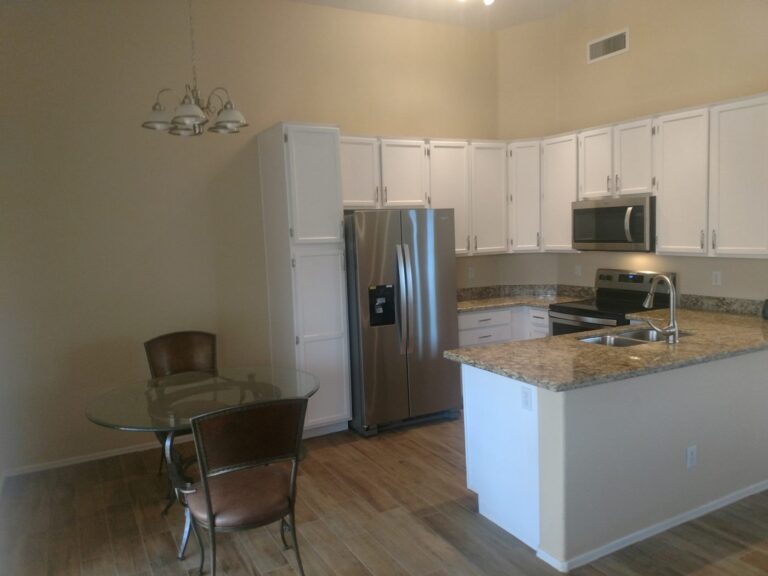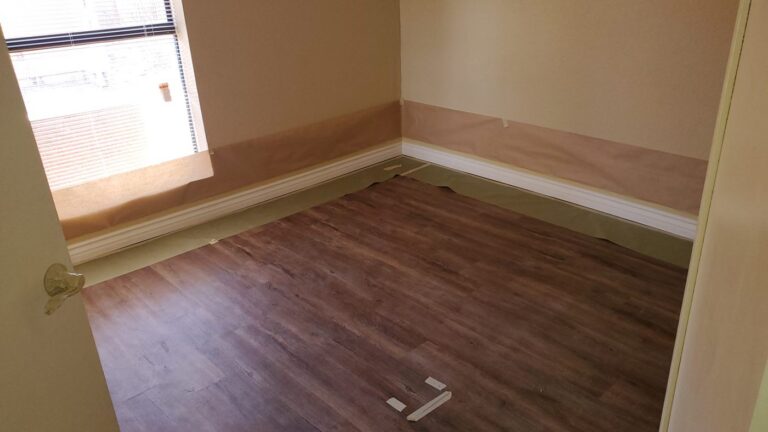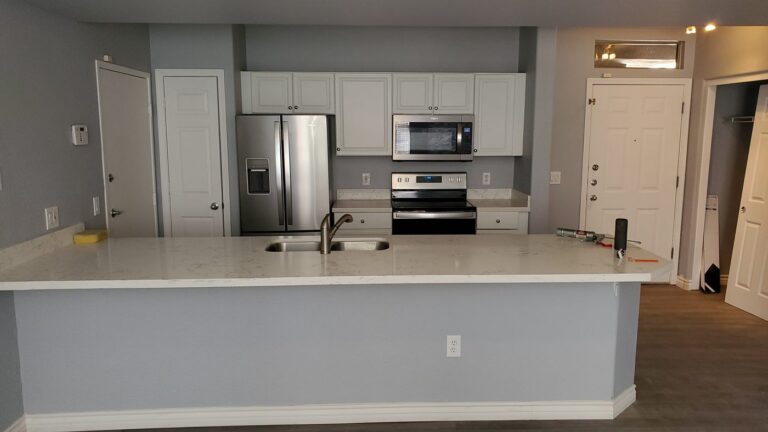
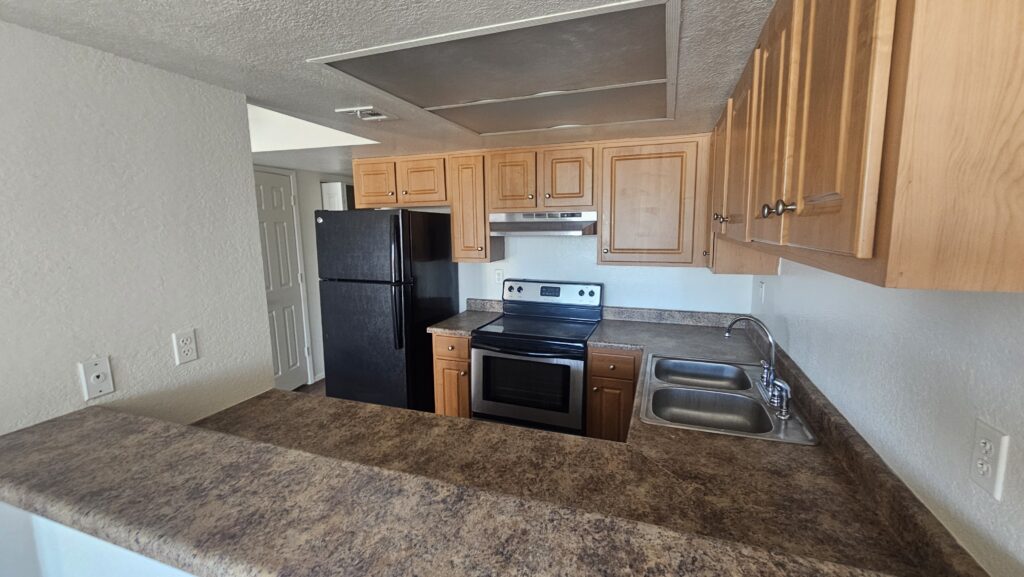
A tenant turnover checklist takes a unit from move-out to rent-ready in a fixed order: document the condition, approve the scope, make repairs, paint, replace flooring, set fixtures and appliances, check safety items, re-key, clean, and close out with photos. Working in that order keeps trades from undoing each other's work and leaves a record for the owner and the deposit file.
Key takeaways
- Walk the unit with a camera before anyone touches it.
- Get a line-item scope approved before work starts.
- Sequence matters: repairs, paint, flooring, fixtures, then clean.
- Safety items and the re-key belong on every turn.
- Finish with after photos that match the move-out photos.
What does a tenant turnover checklist include?
A good make ready checklist is less about the list and more about the order. Every property manager turnover covers the same ground: find out what the unit needs, get the owner to say yes, do the work in a sequence that avoids rework, then prove it was done. The phases below follow the way a unit turn in Phoenix runs on site, whether you have one home or a whole portfolio.
Phase 1: Move-out walk, photos and scope approval
Move-out walk and photos
Walk the unit as soon as you have keys, before cleaning changes what is there.
- Photograph every room from the doorway, then each wall, the floor and the ceiling.
- Take close-ups of damage with a door or window in frame for location.
- Open every cabinet and appliance. Run every faucet, flush every toilet, flip every switch.
- Check exterior doors, screens, the patio and the water heater closet.
- List normal wear and damage separately. How each is treated depends on your lease and Arizona law.
Scope and approval
Turn the walk into a line-item scope: room, item, action, material. "Repaint interior" is not a scope. "Paint all walls, one color, patching included" is. Line items let the owner approve or cut individual lines without stalling the job. Order long-lead materials (flooring, appliances, special-order doors) the day the scope is approved.
Phase 2: What repairs come before paint?
Anything that makes dust, opens a wall or shuts off the water comes first.
- Drywall: patch holes and corner damage and match the texture. Fix the leak before you repair a water stain.
- Doors and trim: replace damaged slabs, re-hang doors that rub or will not latch, and fix jambs, closet tracks and baseboard.
- Plumbing: check under every sink, replace worn supply lines and shutoff valves, fix running toilets and slow drains, and look over the water heater.
- Electrical: replace dead or cracked outlets and switches, test GFCI outlets and confirm every fixture works.
If a trade finds something outside the scope, such as a soft subfloor, get it approved in writing with a photo before it is fixed.
Phase 3: Paint, flooring, fixtures and appliances
Paint
Paint after repairs and before new flooring. Touch-up only works when you know the exact color and sheen on the wall, which is a good reason to use one standard color across your units.
Flooring
Clean the carpet that can be saved and replace what cannot. Where plank is going in, check the subfloor and transitions first. Flooring follows paint so the new floor is never the drop cloth.
Fixtures and appliances
- Replace worn faucets, shower heads, towel bars, cabinet pulls, blinds and light fixtures.
- Run every appliance through a full cycle.
- Re-caulk tubs, showers, sinks and counters where the bead has failed.
Phase 4: Safety items, re-key and final clean
These go quickly, and a new tenant notices them on day one.
- Smoke detectors: test each one, replace batteries, and replace any unit that does not respond or is past the manufacturer's date.
- Filters: install a new HVAC filter and record the size. With Phoenix dust and long summer run times, a clogged filter becomes a service call.
- Bulbs: every socket filled, with matching color in each room.
- Re-key: re-key or replace every exterior lock, and collect garage remotes, gate fobs and mailbox keys.
- Final clean: the last trade in the unit, including inside cabinets and appliances, window tracks and the patio.
How do you close out a rent ready checklist?
Walk the finished unit against the approved scope, line by line. Then take the same photos you took at move-out, from the same spots. The before-and-after set shows the owner what the invoice bought, supports your deposit accounting and becomes the move-in record for the next tenant. File it with the scope, paint color and filter size.
Frequently asked questions
What is the difference between a make ready checklist and a rent ready checklist?
They are the same list seen from two ends. Make-ready is the work between tenants, and rent-ready is the standard the unit meets when that work is done.
In what order should turnover work be done?
Repairs, paint, flooring, fixtures and appliances, safety items and re-key, then the final clean. That order keeps dust, paint and foot traffic off finished surfaces.
Who should do the move-out walk?
You and the contractor together, if you can. You know the lease and the tenant, and the contractor can scope repairs on the same visit.
How DHR handles a unit turn in Phoenix
DHR Contracting started as the maintenance department of a residential property management firm, so this checklist is how we already work: a site walk with photos, a line-item scope, a written bid, one project lead and a documented closeout with before-and-after photos. We are a licensed, bonded and insured general contractor (Arizona ROC 355423) serving Maricopa and Pinal Counties. See our tenant turnover packages and send us the address for a same-day callback.