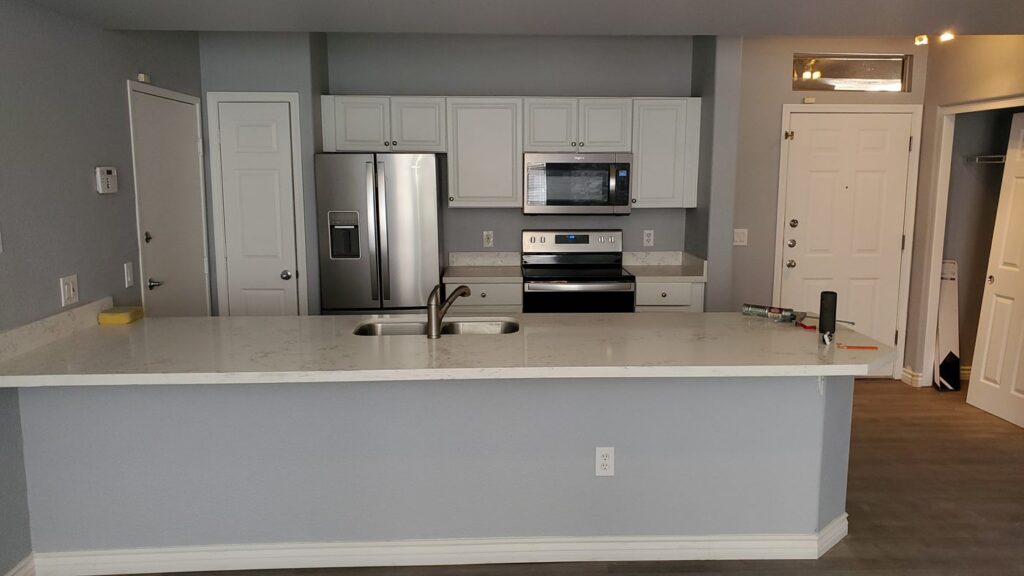
Set your rental turnover scope by matching the unit's condition to one of three levels: a light turn (touch-ups, safety items, minor repairs, re-key and clean), a standard turn (full interior paint, flooring and fixture replacements) or a heavy turn (kitchen and bath updates, mechanical replacements and value-add upgrades). You make the call during the move-out walk, room by room, based on what can be cleaned, what can be repaired and what has to be replaced.
Key takeaways
- Most unit turns fit one of three levels: light, standard or heavy.
- Paint and flooring move a unit from light to standard.
- Kitchens, baths and mechanical equipment move it from standard to heavy.
- The level is a starting point. The line-item scope is what the owner approves.
What are the three levels of rental turnover scope?
Whether you call it a make-ready, a unit turn or apartment turnover services, the work sorts into the same three packages. These are the ones DHR uses.
Light turnover
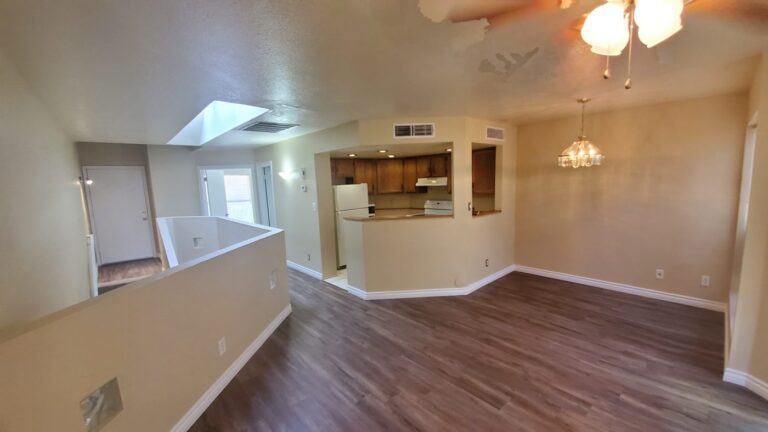
The unit was well kept and mostly needs resetting. A light turn covers paint touch-ups, bulbs, filters and smoke detectors, hardware and minor repairs, plus coordination of the re-key and the clean.
Standard turnover
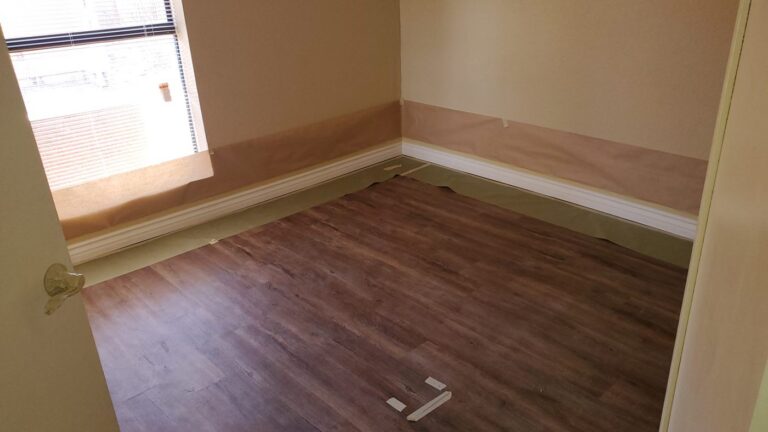
The unit shows normal wear and the finishes are tired. A standard turn covers full interior paint, carpet or plank flooring, fixture, faucet and outlet replacements, and drywall, door and trim repairs.
Heavy turnover
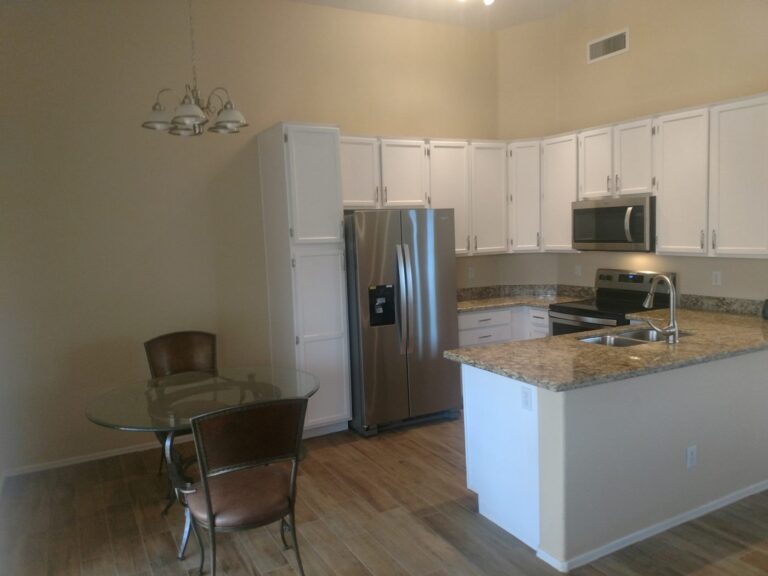
The unit is dated, damaged, or due for work that cannot be done with a tenant in place. A heavy turn covers kitchen and bath updates, cabinets, counters and appliances, water heaters and HVAC, and value-add upgrades.
Light vs standard vs heavy: unit turn scope of work compared
| Item | Light | Standard | Heavy |
|---|---|---|---|
| Unit condition | Well kept, minor wear | Normal wear, tired finishes | Dated, damaged or deferred |
| Paint | Touch-ups | Full interior paint | Full interior paint after the update work |
| Flooring | Clean and keep | Carpet or plank replacement | Replacement, timed around cabinet and bath work |
| Fixtures | Bulbs, filters, smoke detectors, hardware | Fixture, faucet and outlet replacements | New fixtures with the kitchen and bath updates |
| Repairs | Minor repairs | Drywall, door and trim repairs | Repairs plus cabinets, counters and appliances |
| Mechanical | Check and note | Check and repair | Water heaters and HVAC replaced where needed |
Cost and schedule depend on the unit's size, the materials and what the walk finds, so the table is a sorting tool, not a price list.
How do you decide the scope during the move-out walk?
Walk every room with the same questions, in the same order, and record the answers with photos.
- Walls. Can you touch up, or are there enough patches and scuffs that a full repaint is the cleaner job? If you do not know the color and sheen on the wall, touch-up will show.
- Floors. Will the carpet clean up, or is it matted, stained or carrying odor?
- Doors, trim and drywall. A few anchor holes are a light item. Damaged door slabs, split jambs and large patches are standard.
- Fixtures. Do faucets, outlets and lights work and look acceptable, or should they be replaced while the unit is empty?
- Kitchen and baths. Are cabinets, counters and tub surrounds sound and cleanable, or swollen, delaminated or cracked?
- Mechanical. Check the water heater, HVAC and appliances for age, leaks and function.
One high answer does not have to set the whole unit. Plenty of turns are light everywhere except for a water heater replacement or one room of flooring. That is why the level is only a label and the line-item scope is the real document. It lets the owner approve the required items, cut the optional ones and see what each choice does to the bid.
When does a heavy turn renovation make sense?
A heavy turn is a small renovation, and the vacancy is the one time you can do it without displacing a tenant. It is worth pricing when:
- The same cabinets, counters or surrounds have been patched turn after turn.
- A water heater or HVAC system is at the end of its service life and a failure would land on the next tenant.
- The owner plans to hold the property and wants kitchen and bath updates that fit the neighborhood.
Decide before move-out if you can, because cabinets, counters and appliances have lead times.
What should you ask a tenant turnover contractor in Phoenix?
- Is the company licensed with the Arizona Registrar of Contractors? Anyone can look up a license on the ROC website.
- Will you get a line-item scope with photos, or a single lump sum?
- Can the same contractor handle plumbing, electrical and repairs?
Frequently asked questions
What is included in a standard rental turnover?
Full interior paint, carpet or plank flooring, fixture, faucet and outlet replacements, and drywall, door and trim repairs.
What is the difference between a make-ready and a heavy turn?
A make-ready resets the unit to its existing standard. A heavy turn raises that standard with kitchen and bath updates, new cabinets, counters or appliances, and mechanical replacements.
Can one unit mix items from different levels?
Yes. The levels are starting points, and a line-item scope lets you add one or two larger items to a light turn where the unit needs them.
How DHR scopes and delivers your unit turn
DHR Contracting is a licensed, bonded and insured general contractor (Arizona ROC 355423) based in Chandler and serving Maricopa and Pinal Counties. We walk the unit with photos, write a line-item scope, give you a written bid and assign one project lead through a documented closeout. See the full light, standard and heavy turnover packages and request a walk on your next vacancy.