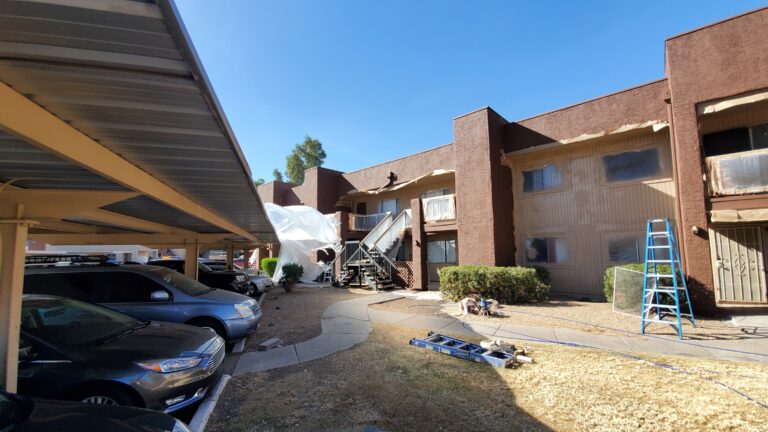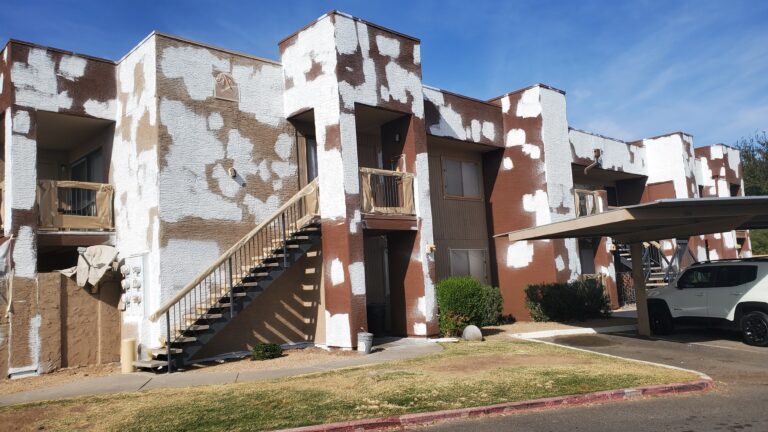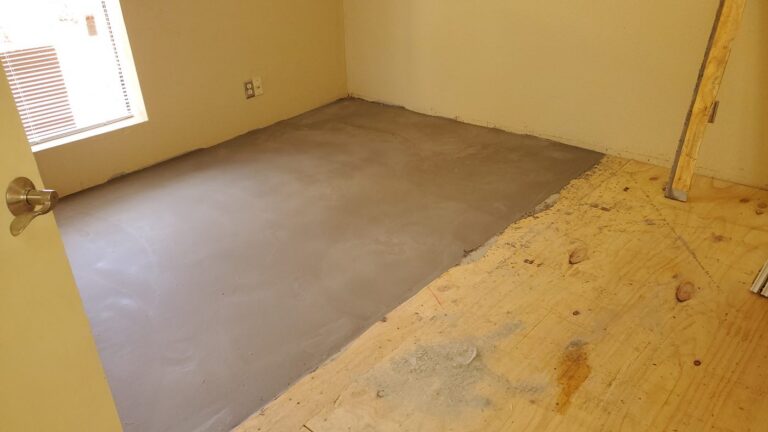
A reserve study tells your board what the community will need to repair or replace and when to plan for it, but it is not a scope of work. To turn HOA reserve study projects into contractor bids, hand over the relevant component pages, walk the site together, and ask for a line-item scope with phasing and schedule in time for the board packet.
Key takeaways
- A reserve study is a planning and funding tool. Site conditions set the real scope.
- Give every bidder the same component list, site map, history and deadline.
- A site walk with photos confirms quantities and finds repairs the study does not list.
- Line-item scopes let the board approve, defer or phase work across budget years.
What is a reserve study for?
A reserve study lists the common-area components the association maintains, such as paint, stucco, roofs, walls, gates and ramadas. For each one it estimates remaining useful life and replacement cost, then lays out a funding plan.
Those figures are planning estimates. Nobody measured each building or opened a wall, so a component may wear out sooner or later than the study assumes. Check reserve items in the field before the board commits money. For what your association is required to do with its reserves, check your governing documents and confirm with your association's attorney.
How do you hand HOA reserve study projects to a contractor?
A reserve study contractor (one used to working from component lists) can do more with a good handoff. Send:
- The component pages for the items you want priced.
- A site map with buildings and common areas labeled.
- History: when the item was last repaired or replaced, and any warranty in effect.
- Known problems and work orders tied to that component.
- The planned budget year, and whether the board is open to phasing.
- The board meeting date and packet deadline.
- Access limits: gates, quiet hours, parking and amenity schedules.
Whether to share the reserve budget figure is the board's decision. Either way, give every bidder the same information.
What happens on the site walk?
The site walk is where a planning number meets the actual buildings. The contractor should:
- Confirm quantities against the study.
- Photograph current condition by location.
- Look for related repairs the study does not break out, such as stucco cracks under a paint line item.
- Note access, staging and resident impact.
Sometimes the walk shows a component has more life left than expected, or less. Ask for that in writing so the board can adjust the plan and tell the reserve analyst.
What does a line-item scope include?
Capital projects in an HOA get approved faster when the board can see exactly what it is buying. A line-item scope gives each component its own line with location and quantity, the work in plain language, materials, exclusions, and how hidden conditions are priced.
With that format, your board can approve everything, approve part, or defer a line without asking for a new bid. It also maps back to the reserve study, so the treasurer can see which component each cost belongs to. Work such as stucco repair and exterior paint often spans several components and should still be broken out.
How do phased HOA projects spread across budget years?
Reserve funding rarely lines up with doing everything at once. Phased HOA projects split the work so each phase fits a budget year. Common ways to phase:
- By building or area. A set of buildings each year until the community is complete.
- By component. Repairs first, coatings after.
- By priority. Safety items and active water intrusion ahead of cosmetic work.
Ask the contractor to show each phase separately, with its own scope and schedule, and to state in writing how pricing for later phases will be handled. Keep a record of products and colors from the first phase so later phases match.
How do you time a board-ready bid and close out the project?
Work backward from the meeting. The packet deadline sets the bid due date, and the bid due date sets how early the site walk needs to happen. A board-ready bid includes a short summary, the line-item scope, photos, phasing and schedule, so a board member can follow it without having been on the walk.
When the work is done, ask for closeout documentation:
- Before-and-after photos by location.
- A list of completed line items and any approved changes.
- Products, colors and warranty information.
- Notes on conditions the board should watch.
Put the closeout in the next board packet and send a copy to your reserve analyst.
Frequently asked questions
Is a reserve study the same as a scope of work?
No. A reserve study is a planning and funding document. A scope of work comes from a contractor's site walk and describes the specific work, materials and exclusions being priced.
Can a reserve project be split across more than one year?
Often, yes. Many projects can be phased by building, component or priority. Confirm the funding side with your manager and reserve analyst.
When should we ask for bids on a reserve item?
Early enough for a site walk, a written bid and your packet deadline before the meeting where the board will vote.
How DHR Contracting helps with reserve-study projects
DHR Contracting is a licensed, bonded and insured general contractor (Arizona ROC 355423) in Chandler, serving HOAs in Maricopa and Pinal Counties. We take your reserve items, walk the site with photos, and return a written bid with line-item pricing, phasing and schedule, timed for your next board meeting. Learn more about our reserve-study project work.