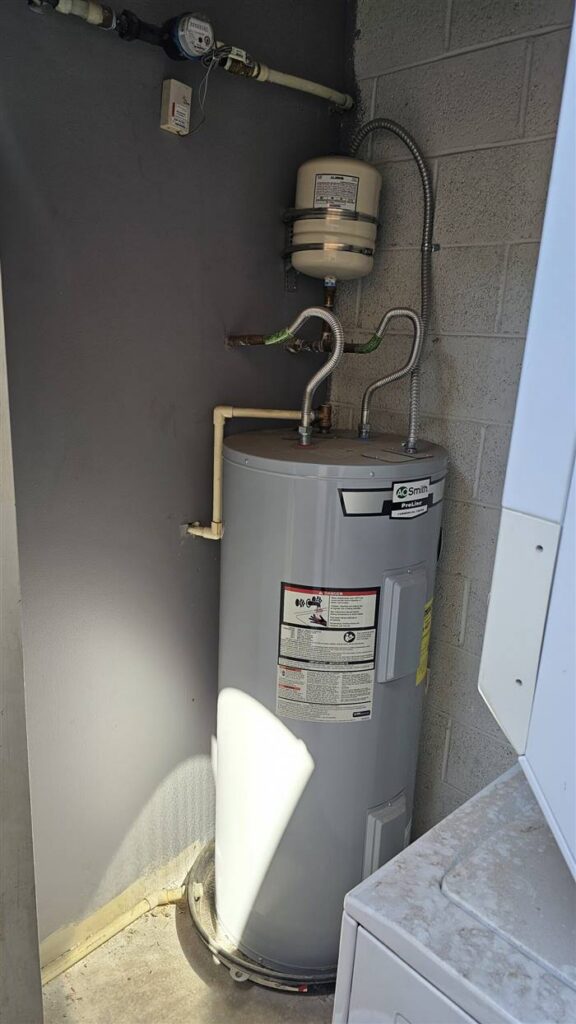
When a condo community's central boiler is failing, the board has three options: repair it, plan a condo central boiler replacement, or convert to individual in-unit water heaters. The right choice depends on the condition of the hot water loop piping as much as the boiler, along with space and electrical capacity in the units, funding, and your governing documents. Start with a written assessment that prices all three.
Key takeaways
- Repeated leaks and uneven hot water point to the loop piping, not only the boiler.
- A new boiler does not fix failing pipes. Assess the whole system first.
- Conversion gives each unit its own water heater and retires the shared loop.
- Resident communication and unit access planning are part of the scope.
What are the warning signs of central hot water loop failure?
An HOA hot water system with a central boiler has more parts than most boards realize: the boiler, storage tanks, pumps, valves, and a loop of piping that carries hot water to every unit and back. Watch for:
- Hot water complaints that come and go, or cluster in the units farthest from the boiler room.
- Long waits for hot water at the tap.
- Repeated leaks in the loop piping, in walls, ceilings or under slabs.
- Frequent boiler shutdowns and service calls.
- Discolored water or heavy scale. Phoenix has hard water, and scale and sediment build up in the system.
One of these is a repair ticket. Several together, repeating, suggest central hot water loop failure and a larger decision for the board.
Repair, condo central boiler replacement or conversion: what drives the choice?
Repair
Repair makes sense when the problem is one identifiable component (a pump, a control, a valve, a single section of pipe) and the rest of the system is sound.
Replace the central system
A new boiler keeps the community on one shared system. That can work when the loop piping is in good shape. If the pipes are what is failing, a new boiler will push water through the same leaks.
Convert to in-unit water heaters
A boiler to water heater conversion gives each unit its own heater and takes the central boiler and shared loop out of service. One failure no longer affects the whole community. It is also the option that involves the most work inside the units.
The main factors are:
- Condition of the loop piping and how accessible it is.
- Whether each unit has a suitable location for a water heater.
- Electrical capacity in the units and buildings.
- Reserve funding and how the work could be phased.
- Who would own and maintain the new heaters. Check your CC&Rs and confirm with your association's attorney.
What does a condominium water heater conversion involve?
A condominium water heater conversion generally includes:
- Choosing a heater type and location that fits the unit. Tank, low-profile and tankless models suit different spaces.
- Replumbing so each unit's hot water lines are fed from its own heater.
- Electrical work to power the new heaters, with added capacity where needed.
- Opening walls or ceilings, then drywall and paint to finish.
- Permits and inspections as the local jurisdiction requires.
- Taking the old central system out of service.
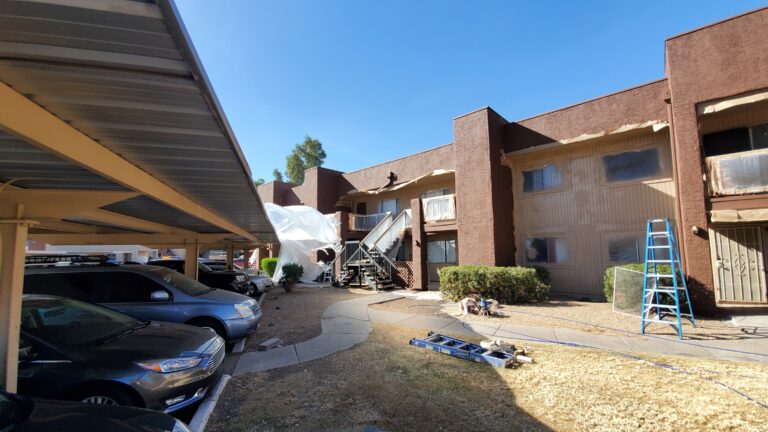
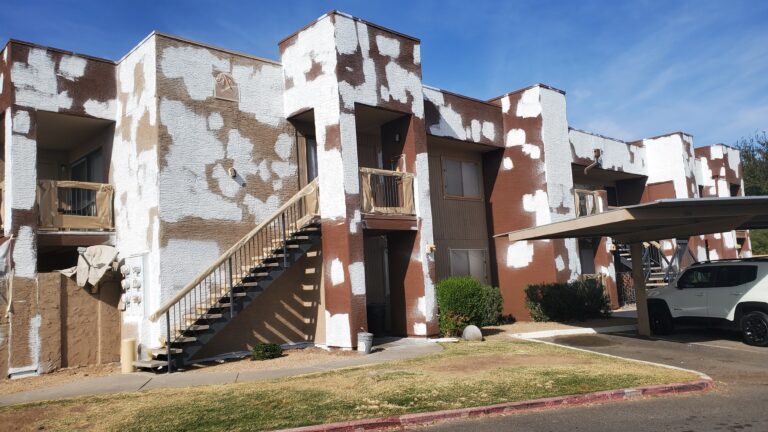
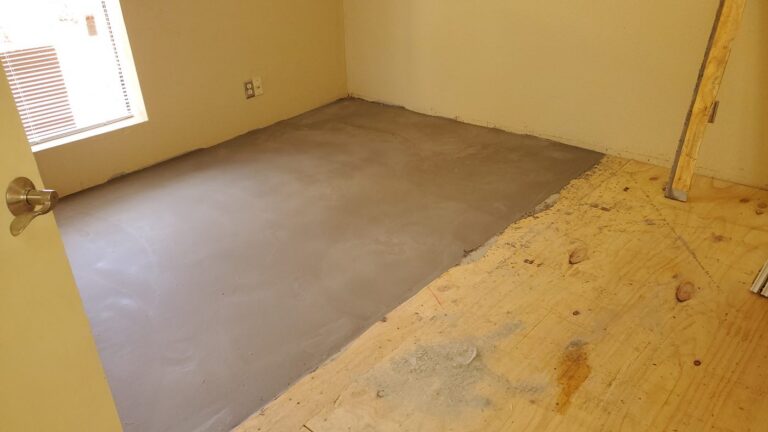
DHR converted a 200-unit condominium community from a failing central boiler to individual in-unit water heaters. The project included replumbing, added electrical capacity, drywall and paint, and coordination with residents. Read more on our water heater conversions page.
How should you communicate with residents?
A conversion happens inside people's homes, so communication is part of the job.
- Explain the decision. Tell owners what is failing, what the board weighed and why it chose this option.
- Publish the schedule by building and update it when it changes.
- Give clear unit access notices: when crews need entry and what to clear. Follow the notice procedures in your governing documents.
- State the hot water downtime each unit should expect during its switchover.
- Name one contact for questions.
- Tell owners what changes afterward, including basic water heater maintenance in hard water.
What should the board ask for in an assessment?
Before voting, ask a licensed contractor for a written assessment that covers:
- Condition of the boiler, tanks, pumps and loop piping, with photos.
- All three options, each with its own line-item scope and price.
- Electrical capacity and heater locations for each unit type.
- Phasing and schedule, building by building.
- How hot water will be maintained for units not yet converted.
- Resident impact, including access needs and downtime.
- Exclusions, and how hidden conditions will be priced.
That format works as a board-ready bid your board can compare against other proposals.
Frequently asked questions
Is it cheaper to replace a central boiler or convert to in-unit water heaters?
It depends on the condition of the loop piping, the number of units, electrical capacity and how much wall and ceiling work is needed. Ask for both options priced in the same assessment.
Who maintains in-unit water heaters after a conversion?
That depends on your governing documents. Check your CC&Rs and confirm with your association's attorney.
Will residents lose hot water during a conversion?
Each unit has some downtime while it is switched over. Ask the contractor to state the expected downtime per unit and how the other units stay served in the meantime.
How DHR Contracting helps with a failing central boiler
DHR Contracting is a licensed, bonded and insured general contractor (Arizona ROC 355423) based in Chandler, serving condominium communities in Maricopa and Pinal Counties. We walk the site with photos, write a line-item scope, and deliver a written bid with pricing, phasing and schedule. Start with our water heater conversion service to request an assessment.