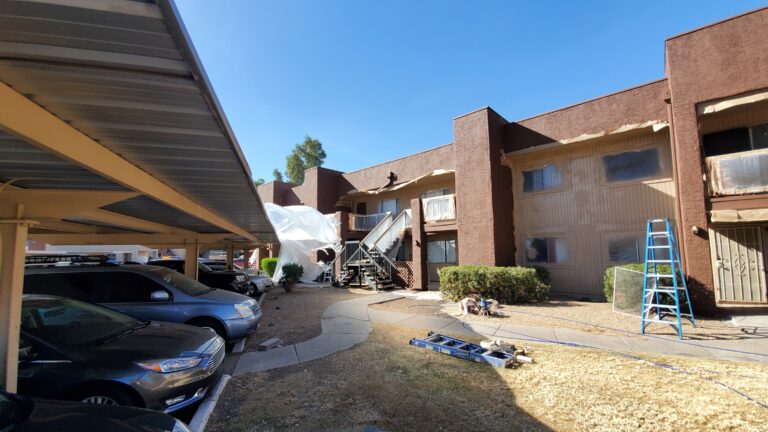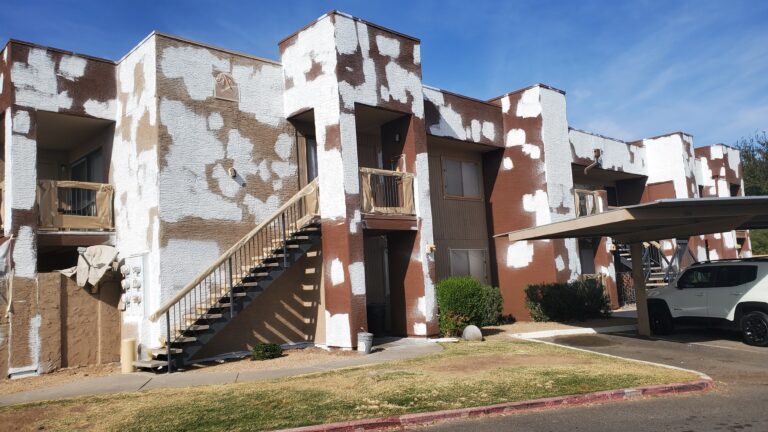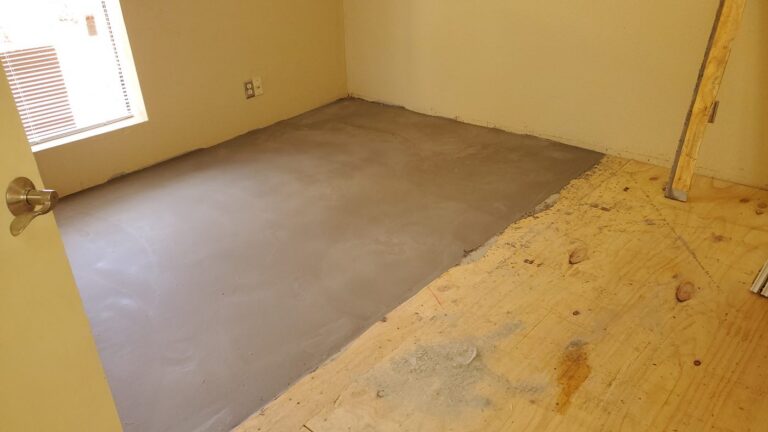
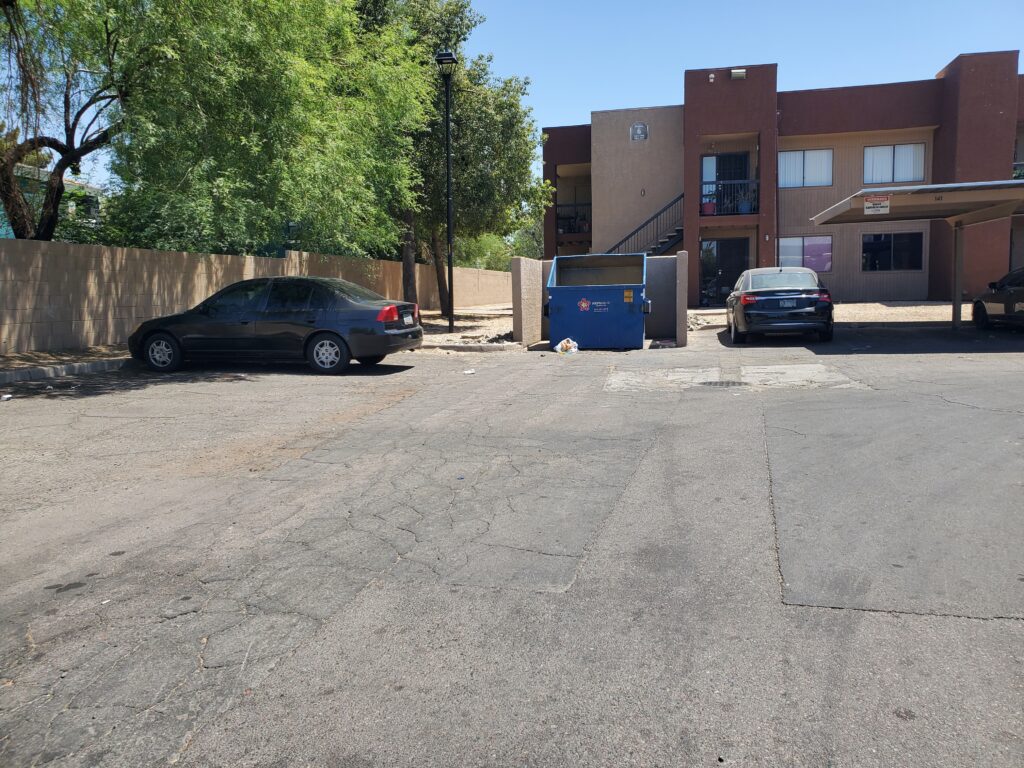
A useful HOA common area maintenance checklist follows the route you actually walk: perimeter walls and gates, ramadas, the clubhouse, the pool deck, stairs and railings, lighting, signage and sidewalks. Walk it on a regular rhythm, again before summer and after every major storm, and record each item with a photo and a location. Common area repairs caught on a walk are almost always simpler than the failures they grow into.
Key takeaways
- Group the checklist by area so nothing gets skipped and anyone on the board can walk it.
- Look for what Arizona sun, heat and monsoon storms cause: cracked stucco, faded paint, loose hardware and rust.
- Handle safety items (stairs, railings, lighting, trip hazards) before cosmetic ones.
- Turn the findings into a community maintenance plan with a priority and a scope for each item.
What should an HOA common area maintenance checklist include?
Arizona communities wear in predictable ways. Sun and heat chalk paint and dry out sealants, irrigation stains and softens the base of stucco walls, and monsoon wind works hardware loose. The HOA maintenance checklist below is grouped by area so anyone can walk it in one pass.
Perimeter walls and gates
- Block walls: cracks, leaning sections, loose or missing caps.
- Stucco: cracks, bubbling or staining, especially along the base where sprinklers hit.
- Paint: fading, chalking or peeling on walls and wrought iron.
- Pedestrian and vehicle gates: sagging, dragging, rust at hinges and welds, latches and closers that do not catch.
Ramadas and shade structures
- Posts: rust or rot at the base, loose anchor bolts.
- Roofing, fascia and fabric: loose panels, torn shade cloth, sagging or split beams.
- Tables, benches and grills: secure, level and free of sharp edges.
Clubhouse interior
- Ceilings and walls: water stains, drywall damage, scuffed paint.
- Doors: sticking, failing to latch, worn hardware and closers.
- Restrooms and kitchen: dripping faucets, running toilets, loose partitions, failed caulk.
- Flooring: loose tile, worn carpet, lifting transitions.
Pool area surfaces and fixtures
Water chemistry and equipment belong to your pool service. This part covers the built surfaces.
- Deck: cracks, lifted sections, peeling coating, slick spots.
- Fence and gates: bent pickets, rust, gates that do not close and latch on their own.
- Restrooms, showers and drinking fountains: leaks, loose fixtures, damaged tile.
Exterior stairs and railings
- Treads and landings: cracked or loose treads, spalling concrete, ponding water.
- Steel: rust on stringers, pans and connections.
- Railings: any wobble, loose anchors, rust at the post base.
Lighting and signage
- Lighting (walk it after dark): dead fixtures, broken lenses, leaning poles, timers or photocells that are off schedule.
- Signs: faded, missing or leaning signs, and monument signs with cracked stucco or missing letters.
Sidewalks, pressure washing and graffiti
- Sidewalks: lifted panels, wide cracks and edges that could catch a foot.
- Pressure washing: stains, gum and bird droppings at mailboxes, trash enclosures, entries and the pool deck.
- Graffiti: photograph it, note the surface, and have it removed quickly so it does not invite more.
How often should you walk the common areas?
There is no single right interval. It depends on the size and age of the community, the amenities you have and how much traffic they get. A rhythm that works for most boards has three parts:
- Regular walks on a schedule your board sets and actually keeps.
- A pre-summer walk focused on paint, stucco, sealants, shade structures and anything loose, before the heat and the monsoon storms arrive.
- A post-storm walk after any significant wind or rain, while new damage is fresh and easy to document.
How do you turn the checklist into a community maintenance plan?
Sort every item into one of three groups: safety, water intrusion, and wear or appearance. Then group items by trade so one mobilization covers several repairs. Stucco cracks and faded walls, for example, belong in one stucco and paint scope, not a string of small work orders.
Larger items your reserve study already anticipates, such as stair replacement or a community-wide repaint, fit better as reserve-study projects with phasing and a board vote.
When do you need an HOA maintenance contractor in Phoenix?
Cleaning, pressure washing and graffiti removal are day porter work. Structural, stair, electrical and plumbing items belong with a licensed contractor whose license classification matches the work. Anyone can look up a contractor on the Arizona Registrar of Contractors (ROC) website before the board approves a bid.
Ask for a line-item scope with photos so your board can compare bids on the same work. If the list crosses several trades, a general contractor who handles repairs, plumbing and electrical under one project lead saves you from coordinating each trade yourself.
Frequently asked questions
Who should walk the HOA common areas?
The community manager usually leads, ideally with a board member. For anything technical, a contractor on the walk can photograph and scope the repair on the spot.
Which common area repairs should an HOA handle first?
Safety items come first: stairs, railings, trip hazards, gates and lighting. Next are items that let water in, such as cracked stucco, because those get worse with every storm.
Does a common area maintenance checklist replace a reserve study?
No. The checklist tracks day-to-day condition and repairs, while a reserve study plans funding for major components over time.
How DHR Contracting helps with common area repairs
DHR Contracting is a licensed, bonded and insured general contractor based in Chandler (Arizona ROC 355423), serving communities across Maricopa and Pinal Counties. We walk the site with photos, write a line-item scope and deliver board-ready bids for HOA repairs on walls, gates, ramadas, clubhouses, stairs, stucco and paint. Our sister company On The Spot Day Porter handles common-area cleaning, pressure washing and graffiti removal.