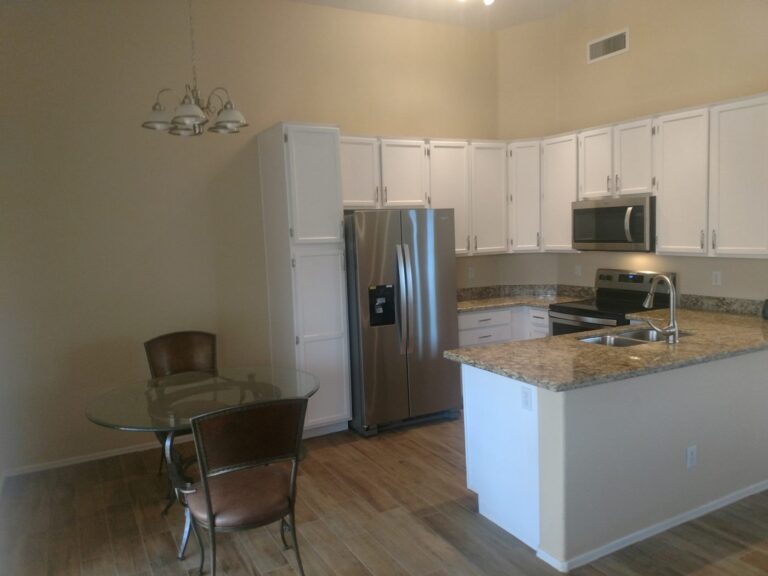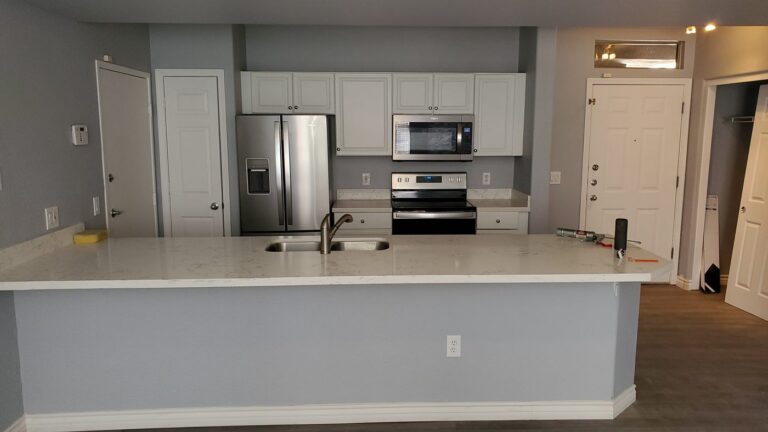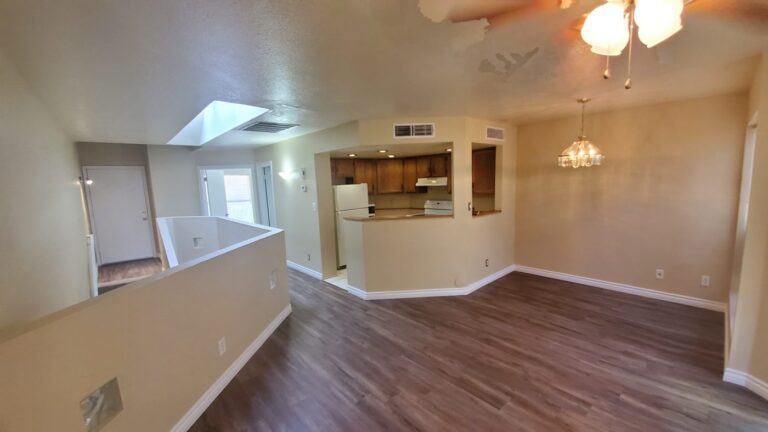
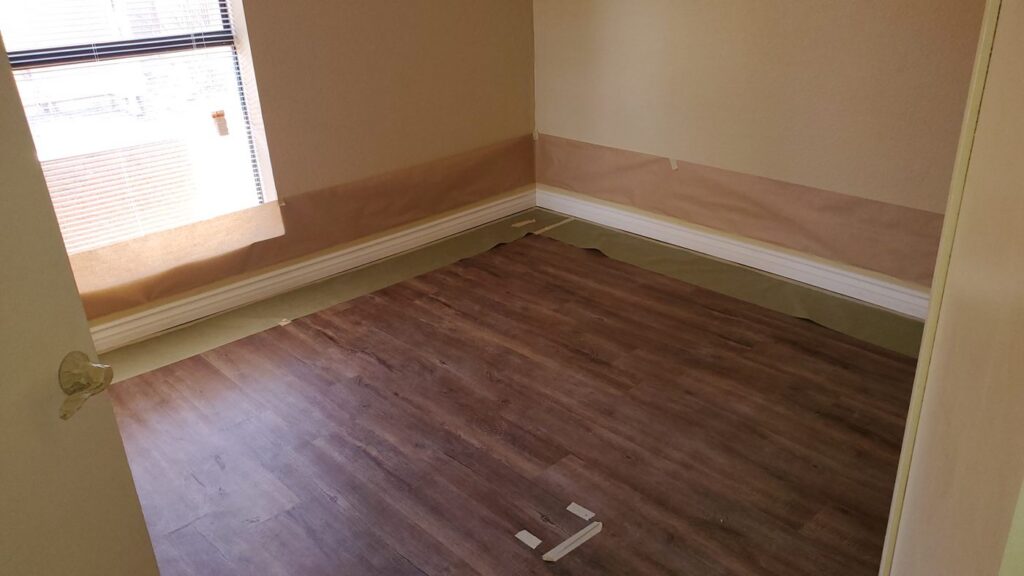
There is no single right number for how long a make-ready should take, because make ready turnaround is set by five things: the size of the scope, how fast it is approved, material lead times, trade sequencing and access to the unit. The useful goal is a turn with no idle days in it. The days you can get back are the ones spent waiting, not working.
Key takeaways
- Unit turn time depends on scope, approvals, materials, sequencing and access.
- The biggest savings come before move-out: inspect, scope and order early.
- Every handoff between vendors is a place for a day to disappear.
- Build the schedule backward from the move-in date.
What actually drives make ready turnaround?
Two units of the same size can turn on very different schedules. Five factors explain the difference.
- Scope size. A light turn is a short visit. Full paint and flooring means several trades in sequence. Kitchen, bath or mechanical work adds trades, materials and sometimes permits.
- Approvals. Work cannot start until the owner says yes. A vague scope draws questions. A line-item scope with photos can be approved from a phone.
- Material lead times. Paint is on the shelf. Flooring, appliances, cabinets and countertops may not be, and anything out of stock sets the earliest finish date.
- Trade sequencing. Repairs, then paint, then flooring, then fixtures, then the clean. Work done out of order gets done twice.
- Access. Keys, gate codes, HOA work-hour rules and utilities. A unit with the power off cannot be tested, lit or cooled.
Where do vacant days get lost between tenants?
To reduce vacancy days, look for idle time: days when the unit sits empty and nobody is working in it.
- Before the first walk. Keys come back and nobody sees the unit for days.
- Before approval. The scope sits in an owner's inbox.
- Before materials. Flooring is ordered when the painter finishes, not the day the scope is approved.
- Between vendors. The painter is done, but the flooring installer was not told and is booked elsewhere.
- Return trips. A missed item, a wrong part, or damage one trade left for another.
- Utilities. Service in the tenant's name went off at move-out. In a Phoenix summer, a unit with no air conditioning is a hard place to work.
None of these is construction. They are scheduling problems, so turn time responds to process more than to extra labor.
How do pre-move-out inspections cut unit turn time?
Once a tenant gives notice, you know the move-out date. A pre-move-out inspection, done with proper notice under your lease and Arizona law, shows you the unit while it is still occupied: the paint, the flooring, the appliances, obvious damage and anything that needs a long-lead order.
That one visit lets you draft the scope, get a preliminary approval from the owner and place orders. The move-out walk becomes a confirmation, not a discovery. You adjust a few lines and start work.
One crew lead or several vendors: which is faster?
Separate vendors for each trade can work if someone actively manages the handoffs. The cost is coordination. Each vendor keeps its own calendar, and when the painter runs late the flooring slot moves and nobody owns the gap.
A general contractor with one project lead holds the whole sequence. The lead has the flooring crew lined up for the day the painters leave and catches punch items before the final clean, not after. You get one schedule, one contact and one invoice for repairs, plumbing and electrical along with paint and flooring.
How do you build a rental turnover schedule around the move-in date?
Start from the day the next tenant gets keys and work backward.
- Set the rent-ready date: the move-in date, less a cushion for your final walk and listing photos.
- Place the final clean and the re-key right before it.
- Place flooring before that, then paint, then repairs.
- Confirm delivery of the longest-lead material before you schedule the trade that installs it.
- Set the approval deadline, the date the owner must say yes for the rest to hold, and tell the owner that date.
If the scope does not fit the window, you want to know on day one, while you can still phase the work, defer an upgrade or move the date. Managers with several units turning in the same month can stagger crews the same way.
Frequently asked questions
How long should a make-ready take?
It depends on the scope, how quickly it is approved, material lead times, trade sequencing and access. Ask your contractor for a written schedule tied to the approved scope.
What is the fastest way to reduce vacancy days?
Start before move-out. Inspect, scope, approve and order while the tenant is still in place, so work begins when the keys come back.
Does using one contractor shorten unit turn time?
It removes the handoffs between separate vendors, which is where idle days tend to collect. One lead owns the sequence and the schedule.
Make ready services in Phoenix with one project lead
DHR Contracting is a licensed, bonded and insured general contractor in Chandler that started as the maintenance department of a property management firm. Every turn gets a site walk with photos, a line-item scope, a written bid with pricing, phasing and schedule, and one project lead through closeout. Send us the address and your move-in date, and we will call back the same day about our tenant turnover and make-ready services.