When water damage hits a condo building, the manager's job is to get the source stopped, document everything and get the right people moving: drying first, then the rebuild. Who pays for which part depends on your governing documents and insurance policies, so collect the facts before anyone assigns blame. Condo water damage repair goes more smoothly when one contractor carries the rebuild from plumbing and drywall through final paint.
Key takeaways
- Stop the water, make the area safe and take photos before anything is moved.
- Responsibility between the association and unit owners depends on your governing documents. Do not guess.
- The rebuild usually crosses several trades: plumbing, drywall, texture, paint, flooring and cabinets.
- A line-item scope broken out by unit and common area keeps the claim file clean.
What should a community manager do first when a water leak is reported?
- Stop the source. Shut the water off at the fixture, the unit or the building. Know where the shutoffs are before you need them.
- Make it safe. Keep residents away from sagging ceilings and from water near outlets, fixtures or panels.
- Document before anything moves. Photograph and video the source, every affected room and every affected unit. Note the date, the time and who reported it.
- Check the neighbors. Water travels down and sideways. Look at the units below and beside the source, plus hallways and other common areas.
- Notify the right people. That means affected residents and owners, the board and your association's insurance agent.
- Get drying started. A mitigation company extracts water and dries the structure. The longer materials stay wet, the more has to be removed.
Who is responsible for condo water damage repair?
It depends, and a manager should not decide it from memory. Your CC&Rs and other governing documents define what is a unit, what is a common element, and who maintains and insures each. The insurance policies held by the association and by individual owners add another layer.
Confirm responsibility with your association's attorney and insurance agent. Your role in the first days is to collect facts: where the water came from, the path it took and what it damaged. Keep those records organized by unit and by common area so costs can be separated later, however they end up being divided.
What does the rebuild after water damage involve?
Once the structure is dry, the building is usually left with cut-out drywall, missing baseboards and pulled flooring. The rebuild puts it back in a set order:
- Plumbing: the failed line, valve or fixture gets a plumbing repair before any wall is closed.
- Drywall: water damage drywall repair means replacing the sections that were removed, along with any insulation behind them, then taping and finishing.
- Texture: new drywall is textured to match the existing walls and ceilings.
- Paint: repaired areas are primed and painted, often a full wall or ceiling so the color and sheen blend.
- Flooring: carpet, tile or luxury vinyl is replaced. If the old product can no longer be matched, the scope may grow to a full room, which is a conversation to have with the adjuster.
- Cabinets and trim: swollen cabinet bases, vanities, baseboards and door casings are repaired or replaced.
What documentation belongs in the claim file for HOA insurance repairs?
Build the file as you go:
- A timeline: when the leak was reported, when the water was shut off and when drying began.
- Photos and video from before, during and after the repairs.
- The plumber's written findings on the cause.
- The mitigation company's records, including drying logs.
- A line-item rebuild scope broken out by unit and by common area.
- Invoices, change orders and written communication with owners and the adjuster.
If a claim is open, agree on the scope with the adjuster before the rebuild starts.
Why use one restoration contractor for the rebuild trades?
The rebuild depends on sequence. Plumbing comes before drywall, drywall before texture, and texture before paint. With a separate vendor for each trade, any delay ripples down the line and nobody owns the gaps between scopes.
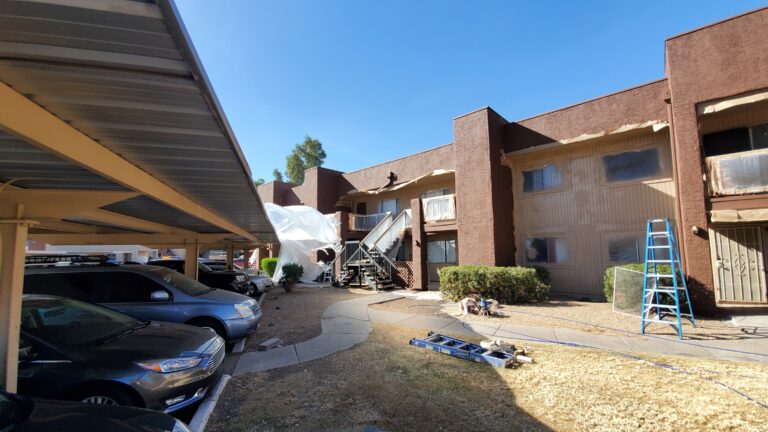
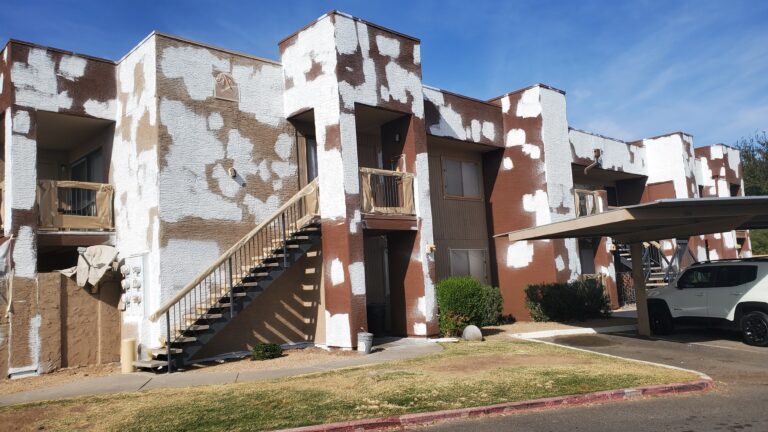
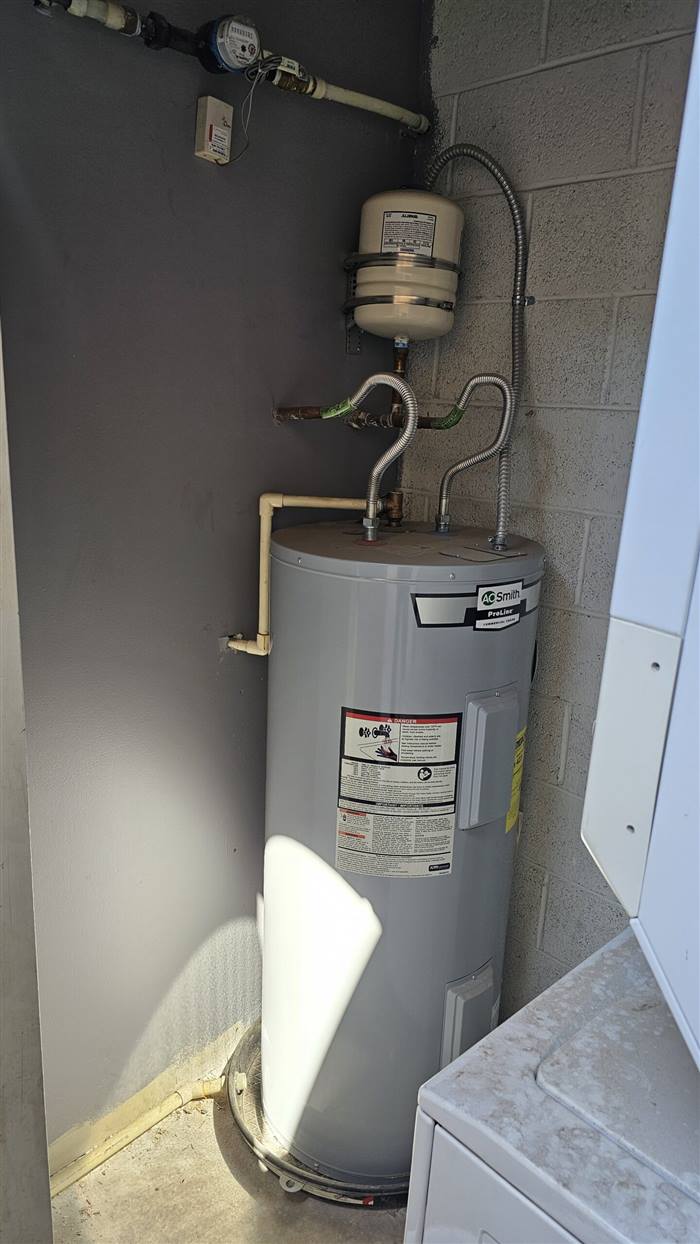
A general contractor acting as your restoration contractor in Phoenix gives you one schedule, one scope document and one contact for residents and the adjuster. DHR has done this kind of multi-trade work in occupied units before: we converted a 200-unit condominium community from a failing central boiler to individual in-unit water heaters, which involved replumbing, added electrical capacity, drywall and paint, all coordinated with residents.
Frequently asked questions
Does the HOA or the unit owner pay for condo water damage repairs?
It depends on your governing documents and on the insurance policies involved. Confirm it with your association's attorney and insurance agent before telling an owner who is responsible.
Can water-damaged drywall be repaired without replacing the whole wall?
Often, yes. Wet sections are cut out and replaced, then textured and painted to blend. How much comes out depends on how far the water spread and how long it sat.
When can the rebuild start after a water leak?
After the source is fixed and the mitigation company confirms the structure is dry. If there is an insurance claim, confirm the scope with the adjuster first.
How DHR Contracting handles restoration repairs
DHR Contracting is a licensed, bonded and insured general contractor in Chandler (Arizona ROC 355423) that handles insurance and restoration repairs for HOAs across Maricopa and Pinal Counties. You get a site walk with photos, a line-item scope, one project lead and a documented closeout with before-and-after photos. Flooring comes through our sister company, The Flooring Outlet, so the rebuild stays under one roof.